
Built from your max
12-Week Bench Press Program
Enter your max or a recent set. Get a 12-week bench press workout plan with every set, warm-up and plate already worked out, in lb or kg.
- 12Weeks
- 3 / 4Days a week
- 4Blocks
- 15Printable pages
Checkout for the full program opens soon. Get notified
Build your program
Your program
12-Week Bench Press Program
Bench max 260 lb. 3 training days a week for 12 weeks.
Unlocked on this device.
What's inside
15 printable pages
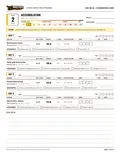
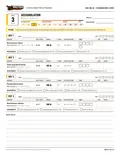
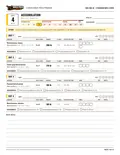
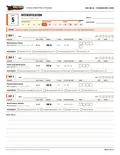
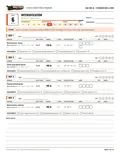
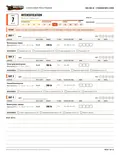
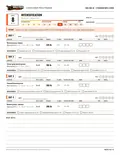
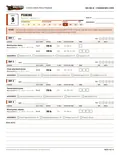
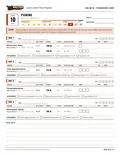
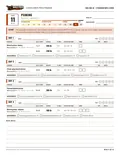
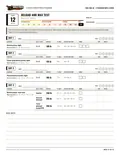
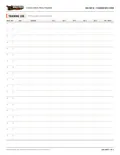
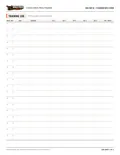
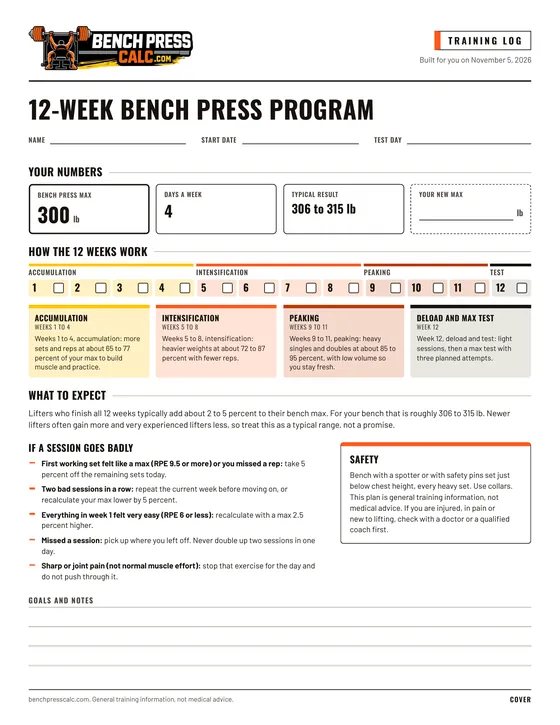
A cover with your numbers, 12 weekly sheets and 2 log sheets.
One-time purchase
Unlock all 12 weeks
15 printable pages: a cover with your numbers, 12 weekly sheets and 2 log sheets.
- All 12 weeks built from your max, every set in lb with the plates per side
- Warm-ups, accessories and effort targets for every session
- A max test day with your three attempts already picked
- Print / Save as PDF: cover page, one page per week and log sheets
- Saved on this device. Change your numbers any time and it recalculates
Paid 12-week programs often cost $30 or more. This one is built from your own max.
Bench only
12-Week Bench Press Program
$9once, yours to keep
15 printable pages
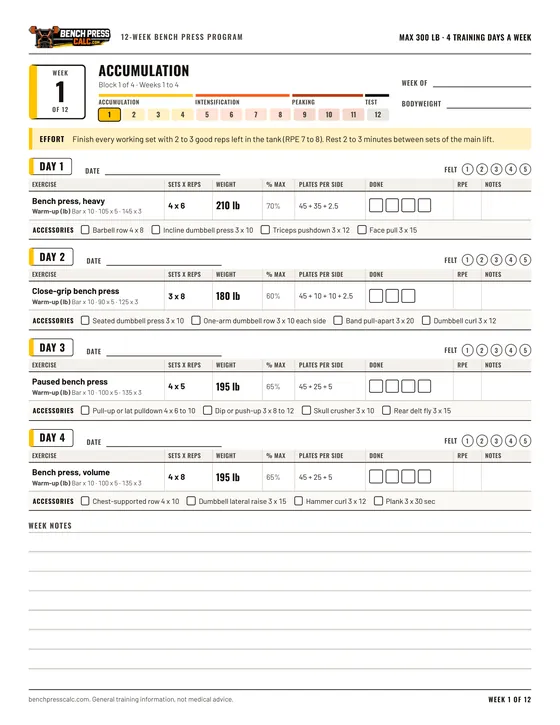
The full bench plan you just saw week 1 of.
Every lift
Full Strength Pack
$19once, yours to keep
19 printable pages
Or get every lift: bench, squat, deadlift and overhead press in one weekly schedule.
The Full Strength Pack includes the bench program too.
Pay once, yours foreverInstant, no accountSecure checkout by Lemon Squeezy
How This Bench Press Program Works
Every weight in the plan is a percentage of your bench press max, rounded to a load you can actually put on the bar (5 lb or 2.5 kg jumps, so 2.5 lb or 1.25 kg plates per side). The 12 weeks run in four blocks, each with one job.
| Weeks | Block | Heaviest sets | What it does |
|---|---|---|---|
| 1 to 4 | Accumulation | About 65 to 77% for 5 to 8 reps | More total sets to build muscle and groove your technique |
| 5 to 8 | Intensification | About 72 to 87% for 2 to 6 reps | Heavier weights and fewer reps turn that work into strength |
| 9 to 11 | Peaking | A single at 90, 93 then 95% | Practice with near-max weights while volume drops so fatigue clears |
| 12 | Deload and test | Light sessions, then three attempts | Arrive fresh and find out what you built |
On test day you take three attempts: an opener around 92% that you know you can make, a second around 99% and a third about 2.5% above your old max. You only take the third if the second moved fast.
Bench Press Workout Plan: 3 or 4 Days a Week
Each training day hits the bench in a different way, so you can press often without grinding the same heavy sets every session.
- Heavy day: the main strength work, the heaviest sets of the week.
- Volume day: lighter weights for more reps to build the muscle that moves the bar.
- Paused day: a one-second pause on the chest on every rep, which builds strength off the bottom and keeps your form honest.
- Close-grip day (4-day plan only): a slightly narrower grip that loads the triceps and helps the lockout.
Every session starts with warm-up sets worked out from that day's top weight and ends with three or four short accessory exercises (rows, pressing and arm work) so your upper back and shoulders keep up with your bench. Effort targets use RPE, a 1 to 10 scale of how hard a set felt, where RPE 8 means you could have done about two more reps. Not sure how hard a set was? The RPE calculator explains it.
The Full Strength Pack schedule
The Full Strength Pack plans all four main lifts with the same 12-week structure in one weekly schedule:
| Day | 3 days a week | 4 days a week |
|---|---|---|
| Day 1 | Squat heavy, bench heavy | Bench heavy, overhead press volume |
| Day 2 | Deadlift heavy, overhead press heavy | Squat heavy, deadlift technique |
| Day 3 | Bench volume, squat volume, overhead press volume | Overhead press heavy, bench volume |
| Day 4 | Rest | Deadlift heavy, squat volume |
Week 12 ends with an upper-body test day (bench, then overhead press) and a lower-body test day (squat, then deadlift).
How to Pick Your Starting Max
You do not need to max out before you start. Enter a set you did recently, ideally 2 to 6 hard reps with good form, and the builder estimates your max with the same five formulas as the 1RM calculator. If you tested a true max in the last few weeks, switch to "I know my max" and enter it.
When in doubt, start a little low. A plan built on a max that is 5% too light still works; a plan built on a max that is too heavy turns every session into a grind. Week 1 is your check: if the sets feel much easier or much harder than the effort target, change your number and the whole plan recalculates.
What Results to Expect
Lifters who finish a structured 12-week block typically add about 2 to 5 percent to their bench, so a 225 lb bench might become roughly 230 to 236 lb. Newer lifters often gain more and very experienced lifters less. Sleep, eating enough protein and simply turning up for every session matter as much as the percentages. These are typical results, not a promise.
How to Increase Your Bench Press
There is no secret exercise. A bench press goes up when you practise it often, add weight steadily, press with good technique, build the muscles around it and recover between sessions. These five levers do almost all of the work:
- Bench more often: most lifters improve fastest benching 2 to 4 times a week, with each session doing a different job (heavy, volume or paused), rather than one all-out session a week.
- Add weight in small steps: progressive overload means a little more over time, such as a 5 lb or 2.5 kg jump or one more rep at the same weight. Setting every weight as a percentage of your max keeps heavy days heavy and light days light.
- Tighten your technique: pull your shoulder blades back and down, keep your feet planted, lower the bar to the same spot on your chest every rep and press it back up over your shoulders. Paused reps build strength off the chest and keep your form honest.
- Build the muscles that move the bar: the chest, triceps and front shoulders press it and the upper back holds you steady. Close-grip bench, overhead pressing, dips and rows are the accessory work most bench programs use.
- Recover between sessions: sleep, enough protein and food, and stopping most sets with a rep or two left (around RPE 8) let you train hard again two days later. Grinding every set to failure makes that much harder.
How fast your bench goes up depends on where you start. Newer lifters can add a little weight almost every session for a while; past that point, gains come a few percent per training block. To see where your bench sits for your bodyweight, check the bench press standards. The program builder above puts all five levers into one plan worked out from your max.
Train Hard, Not Reckless
Bench with a spotter or with safety pins set just below chest height for every heavy set, and use collars. Stop any exercise that causes sharp or joint pain. This plan is general training information, not medical advice. If you are injured, in pain or new to lifting, check with a doctor or a qualified coach before you start.
Frequently Asked Questions
Answers to the most common bench press program questions.
What is a good bench press program?
A good bench press program sets every weight from your own max, benches 3 or 4 times a week, starts with more sets at moderate weights, gets heavier as the weeks go on, and ends with an easy week before you test. This 12-week plan follows that pattern: accumulation, intensification, peaking, then a deload and max test.
How many days a week should I bench press?
Most lifters improve fastest benching 2 to 4 times a week. This program offers 3 days (heavy, volume and paused bench) or 4 days (adding a close-grip day). Pick 4 if you recover well and have the time, otherwise 3.
What percentage of my max should I bench for strength?
Most strength work sits between about 70 and 90 percent of your one rep max. This plan uses roughly 65 to 77 percent in weeks 1 to 4, 72 to 87 percent in weeks 5 to 8 and 85 to 95 percent in weeks 9 to 11, with fewer reps as the weight goes up.
How much can my bench go up in 12 weeks?
Lifters who finish a structured 12-week block typically add about 2 to 5 percent to their bench. Newer lifters often gain more and very experienced lifters less. Sleep, food and consistency matter as much as the plan itself.
Do I need to test my max before starting?
No. Enter a recent hard set, ideally 2 to 6 reps, and the generator estimates your max with the same five formulas as the BenchPressCalc one rep max calculator. Week 1 then acts as a check: if it feels far too easy or too hard, recalculate.
Is this bench press program good for beginners?
It suits lifters who have benched regularly for at least a few months with solid form. If you are brand new, simply adding a little weight each session will work for a while; come back to a 12-week block when that stops working.
What if I miss a workout or a session goes badly?
Pick up where you left off and never double up two sessions in one day. If a first working set feels like a max, take 5 percent off the rest of the sets that day. Two bad sessions in a row means repeat the week or recalculate your max 5 percent lower.
Is the program free?
Week 1 is free and fully worked out from your numbers. The full 12 weeks is a one-time 9 dollar purchase and the Full Strength Pack, which adds squat, deadlift and overhead press in one weekly schedule, is 19 dollars. Pay once, no account and no subscription.
Can I print the program or use it on another device?
Yes. After unlocking, tap Print / Save as PDF for a clean printable copy with a cover page, one page per week and blank log sheets. Your receipt email has a license key that restores the program on up to 5 of your devices.
Should I keep squatting and deadlifting on a bench program?
Yes, keep training your legs at a moderate effort so recovery goes to your bench. If you want every lift planned, the Full Strength Pack fits bench, squat, deadlift and overhead press into one 3 or 4 day weekly schedule.
Last reviewed: .